Concrete Walkway Services in Jacksonville, FL
Concrete Walkways for Entries, Side Yards & Connected Outdoor Spaces
Concrete walkways can create defined pedestrian routes between driveways, entrances, gates, patios, pool areas, gardens, side yards, sheds, and other parts of a property. New installation, replacement, or layout changes should reflect where people actually need to walk and how the route connects with surrounding concrete, landscaping, and outdoor spaces.
Jacksonville FL Concrete helps route walkway project requests to local concrete professionals who may review the intended route, property layout, existing surfaces, access, drainage, grade changes, landscaping, finish preferences, and whether the project involves new construction, replacement, or another pedestrian-surface improvement.
Jacksonville conditions can also influence walkway planning. Rainfall and runoff, property grade, soil and base conditions, mature landscaping, irrigation, narrow side-yard access, heat, coastal exposure in some communities, and any applicable HOA, accessibility, sidewalk, or right-of-way requirements may affect the project.
Request an Estimate
Have photos, drawings, measurements, or project notes? Attach them through the form or include details about where the walkway will begin and end, the surfaces it will connect, existing concrete, drainage, access, and your preferred finish.
Thank you for contacting us.
We will get back to you as soon as possible.
Please try again later.
What Concrete Walkways Can Help You Accomplish
Concrete walkway installation can provide a more defined way to move around a property while connecting exterior areas that otherwise feel separate.
Walkway projects may help you:
Create a dedicated route between a driveway and front entrance
Add pedestrian access through a side yard or gate
Connect the home with a patio, pool area, garden, shed, or backyard feature
Replace an aging, uneven, poorly positioned, or deteriorated walkway
Improve transitions between concrete and other hardscape surfaces
Coordinate pedestrian access with a new driveway, patio, or broader exterior improvement
Add a standard, stamped, colored, bordered, or decorative finish to a visible entry or outdoor path
The right walkway approach depends on where people need to travel, the available space, existing elevations, drainage, surrounding landscaping, connected concrete surfaces, desired finish, and whether the proposed route remains entirely on private property.
Related Concrete Services for Walkway & Entry Projects
Walkways often connect other concrete surfaces rather than functioning as isolated improvements. Reviewing adjoining areas can help coordinate elevation changes, drainage, surface transitions, finish choices, and the overall property layout.
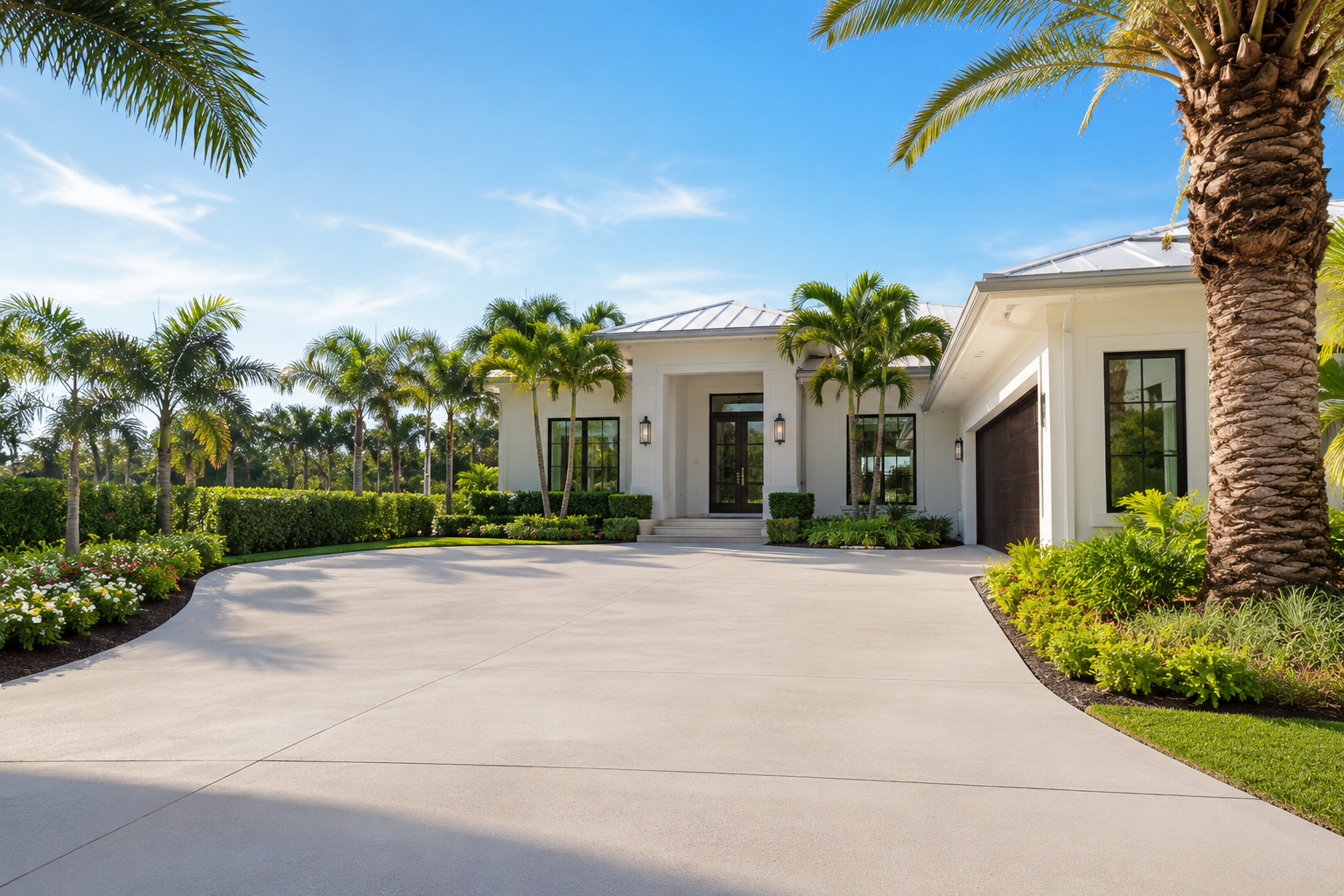
A walkway frequently begins at a driveway, parking area, or garage approach before continuing toward the front entrance or another part of the property. Coordinating the two surfaces can help address pedestrian access, grade changes, drainage, finish transitions, and how vehicle and foot-traffic areas meet.
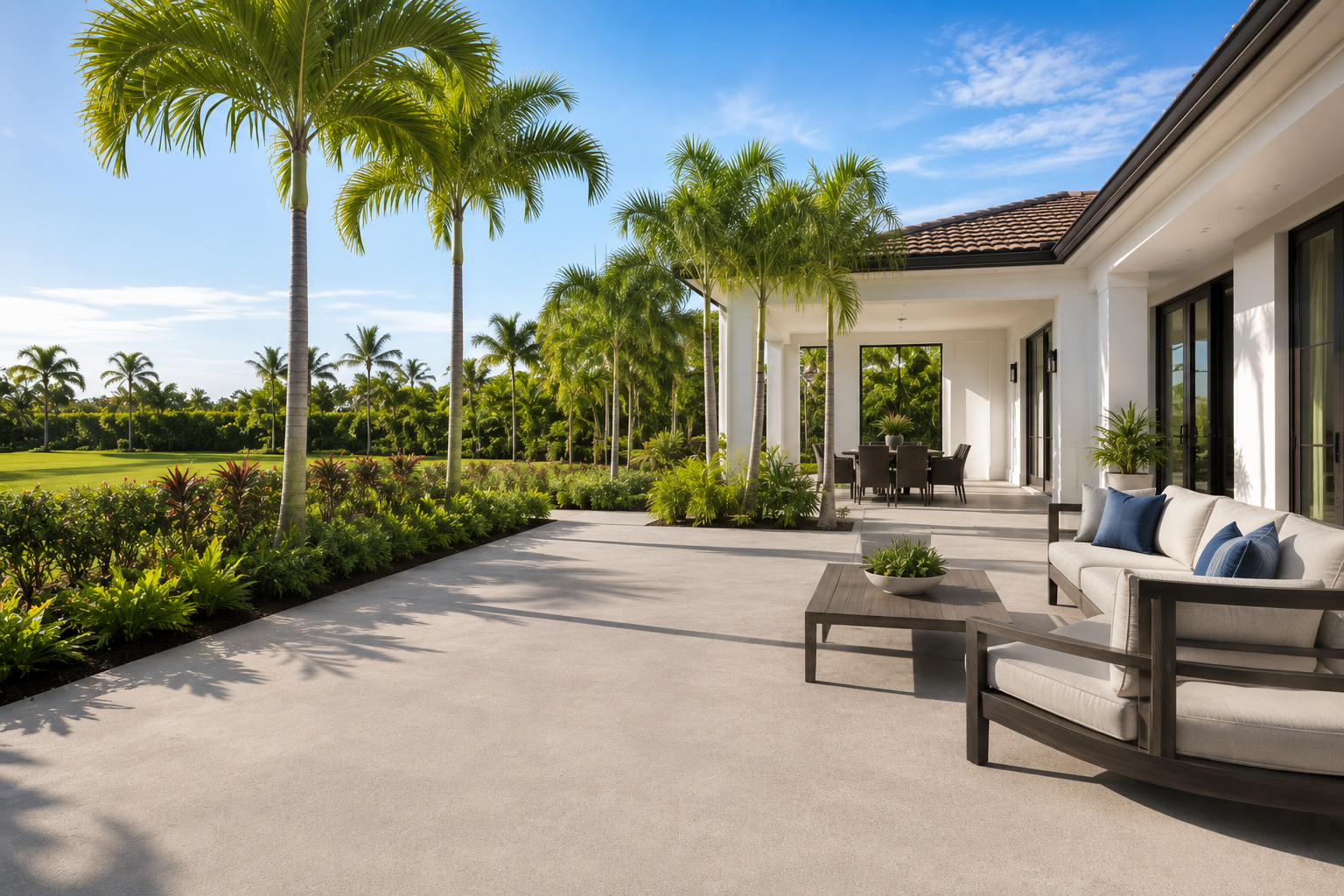
Walkways can connect the home or driveway with a patio, pool area, outdoor kitchen, backyard seating area, or other outdoor-living space. Reviewing the path and patio together can help coordinate drainage, elevations, surface texture, landscaping, and everyday movement through the property.
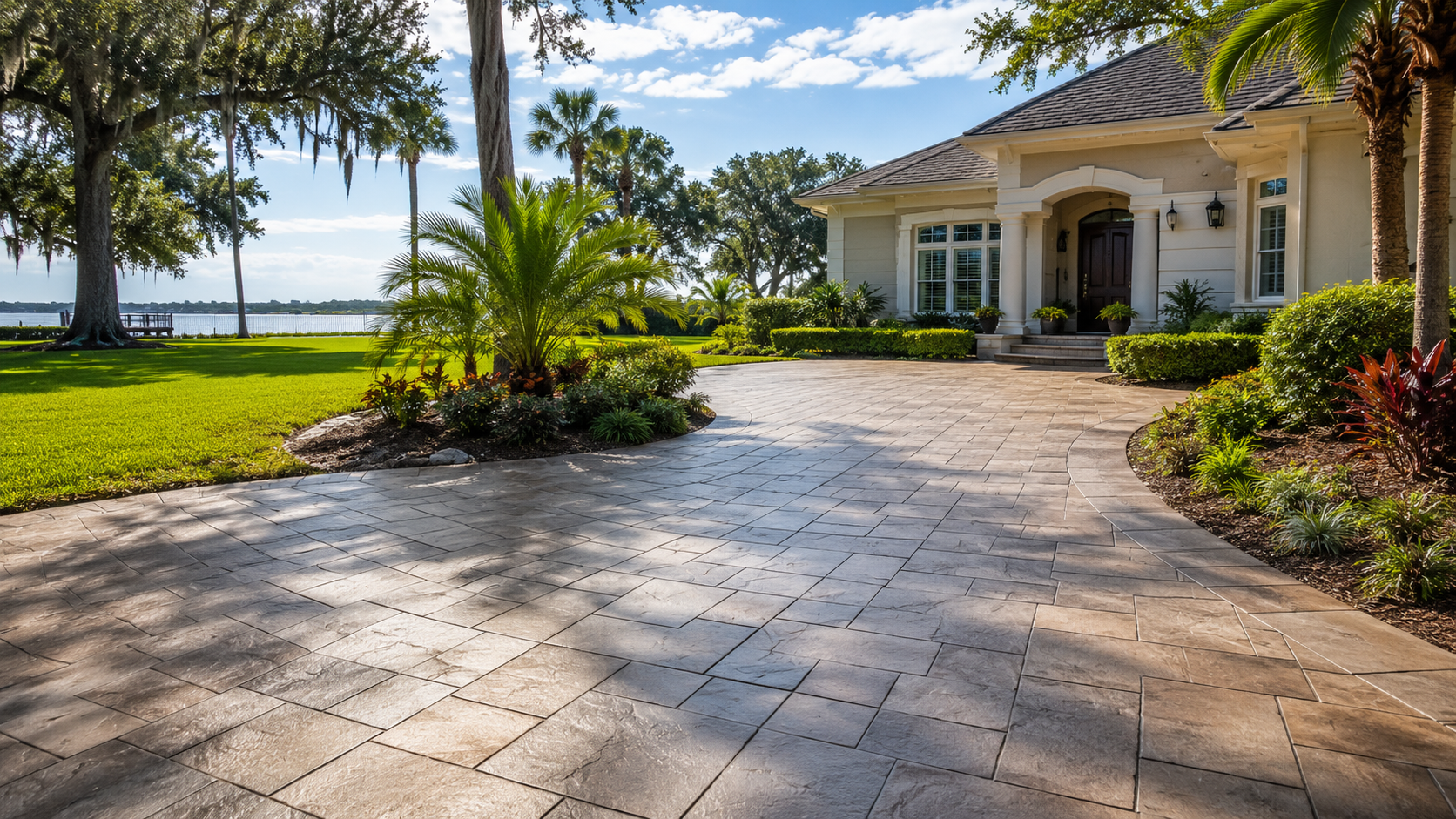
Stamped concrete can add pattern and texture to front-entry walks, garden paths, patio connections, and other visible pedestrian areas. Pattern scale, color, surface texture, drainage, joint locations, surrounding finishes, and future sealing should be considered alongside the walkway's practical use.
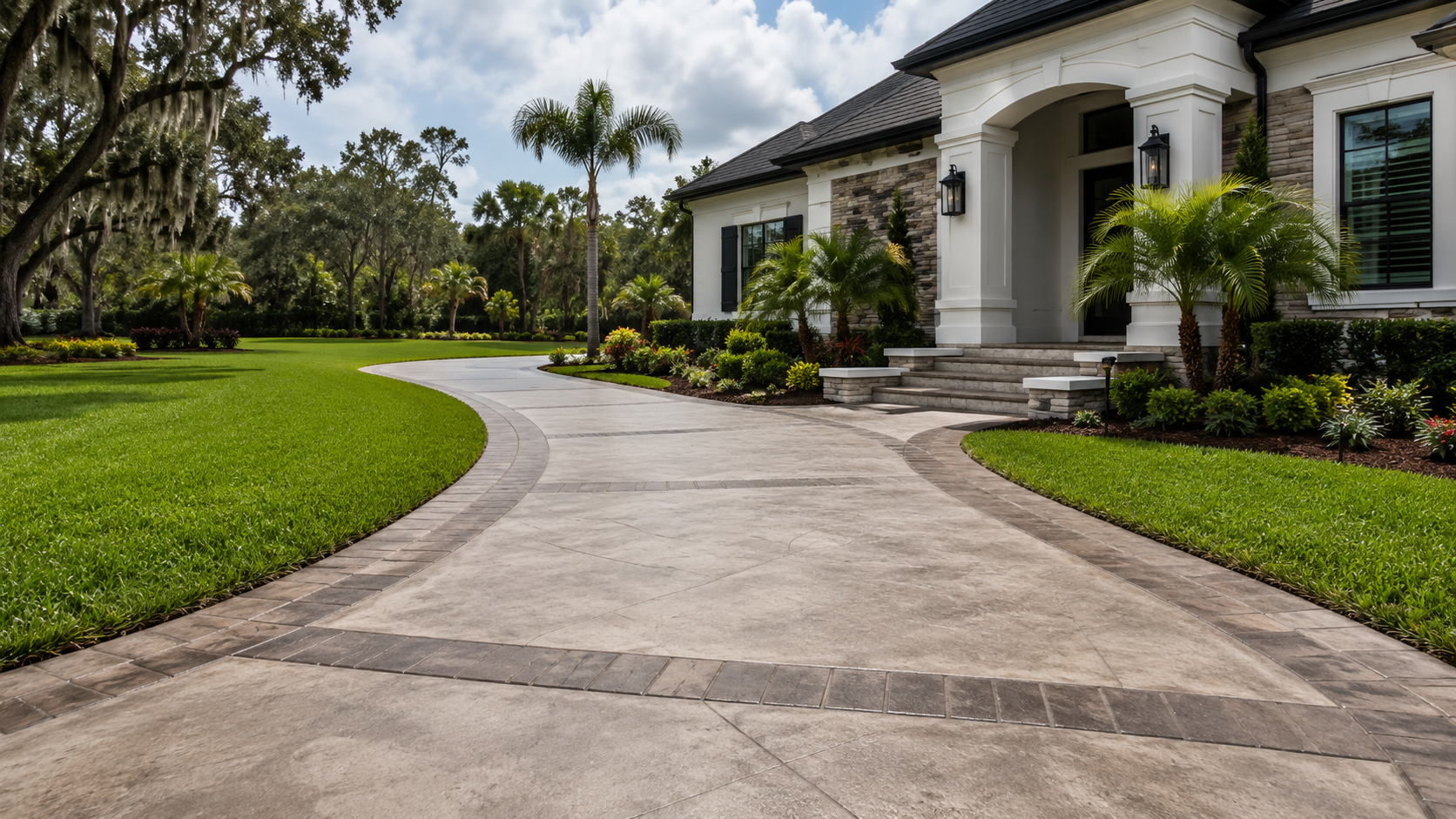
Decorative concrete can introduce color, scoring, borders, exposed aggregate, texture, or other surface details to a walkway. These treatments are especially relevant when an entry path or connecting route should coordinate visually with the home, driveway, patio, landscaping, or other exterior hardscape.
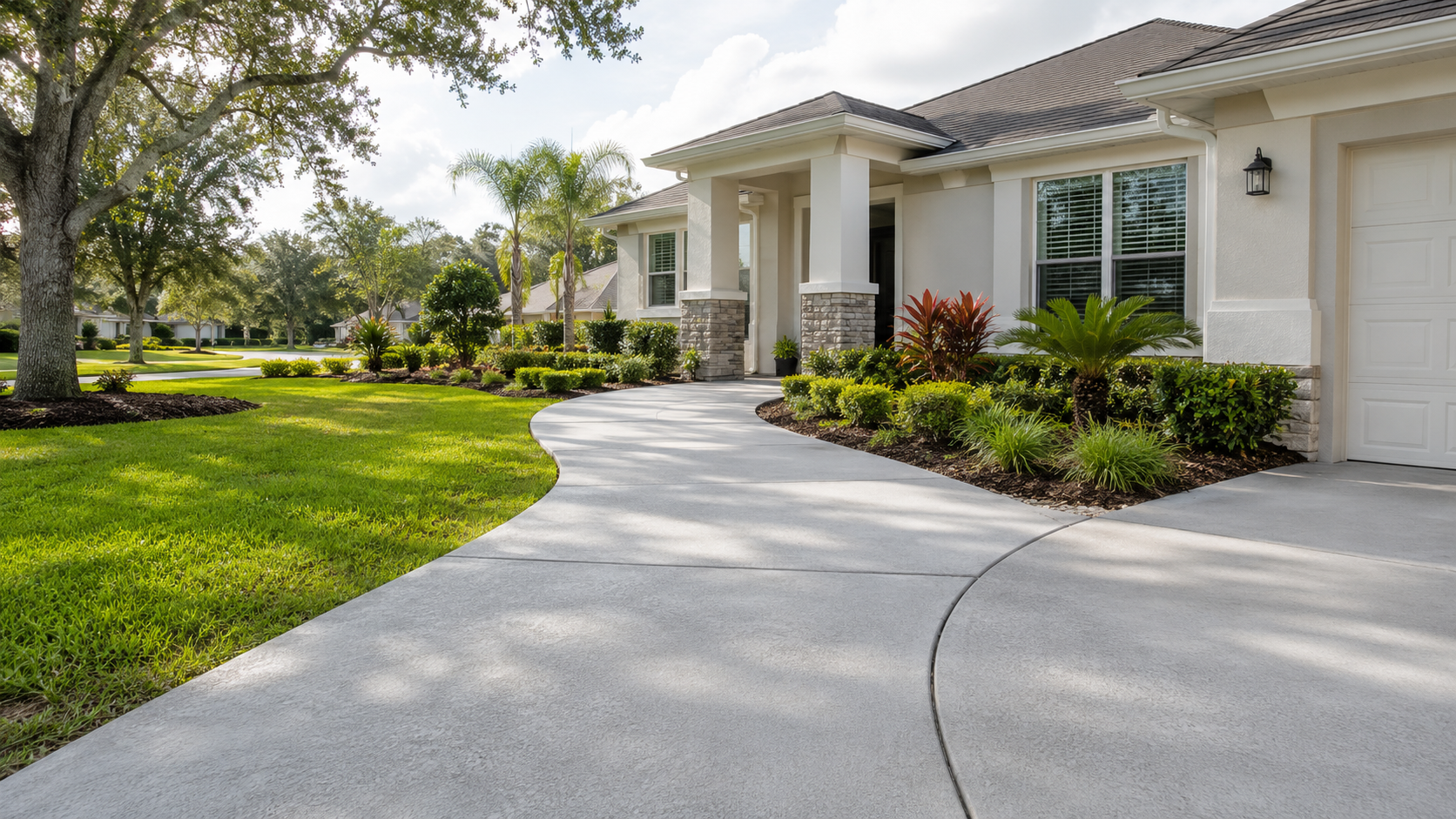
An existing walkway with cracking, surface deterioration, localized settlement, or worn areas may not automatically require full replacement. Repair or resurfacing may be worth evaluating where the remaining concrete, route, drainage, and supporting conditions are still suitable.
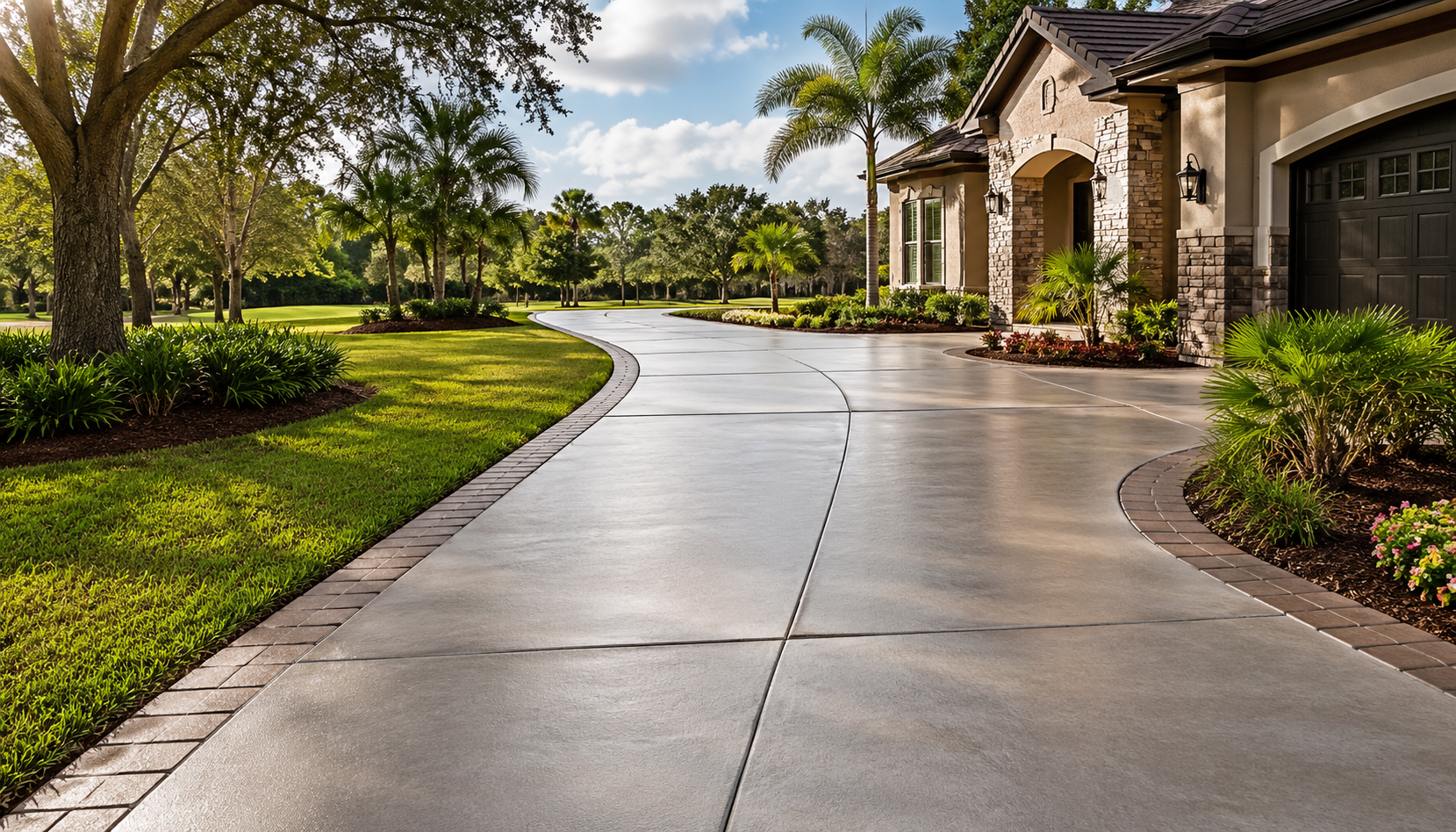
Walkway maintenance may include cleaning, keeping joints and drainage paths clear, monitoring surface changes, stain treatment, and compatible sealing where appropriate. The appropriate care depends on finish, exposure, landscaping, foot traffic, drainage, and the condition of the existing concrete.
How Concrete Walkway Installation Is Planned
Walkway planning begins with pedestrian movement rather than simply choosing a strip of ground to pour. Route, grade, access, drainage, adjoining surfaces, surface texture, and preparation all influence how the finished walkway fits the property.
For a more detailed explanation of concrete preparation, placement, finishing, jointing, and curing, review the Concrete Installation Process.
Walkway Purpose, Route & Property Connections
The first consideration is where the walkway needs to begin and end and who will use it. Front doors, driveways, gates, patios, pools, sheds, gardens, utility areas, side yards, and other destinations can influence the route, layout, width, and relationship with surrounding property features.
Grade, Drainage, Access & Existing-Surface Review
The proposed route should be reviewed for measurements, grade changes, runoff, existing concrete, landscaping, irrigation, utilities, fences, gates, nearby structures, and equipment access. These conditions help identify preparation needs and potential conflicts before the layout is finalized.
Walkway Layout, Surface Texture & Finish Selection
Straight and curved paths, front-entry walks, narrow side-yard routes, wider pedestrian connections, and decorative entry areas can require different layouts. Finish selection should consider appearance along with pedestrian use, surface texture, drainage, connected hardscape, exposure, and maintenance expectations.
Site Preparation, Forming, Placement, Jointing & Curing
Installation may involve removal of an existing walkway, excavation or grading, preparation of the supporting surface, forming, reinforcement where appropriate, concrete placement, finishing, jointing, curing, and cleanup. Joint layout and transitions should be coordinated with the walkway route and adjoining surfaces rather than treated as afterthoughts.
Final Review, Use Timing & Ongoing Care
The completed walkway should be reviewed for surface finish, drainage relationships, transitions, edges, and connections with other property areas. Project-specific guidance should also address curing, when regular foot traffic can begin, cleaning, and any finish-specific maintenance or sealing considerations.
Drainage considerations: Driveways should be planned so water moves appropriately around the property rather than collecting near the garage, home, walkways, or landscape beds.
Jacksonville Conditions That Affect Concrete Walkway Planning
Concrete walkway projects in Jacksonville should account for how pedestrian routes interact with rainfall, property grades, landscaping, existing hardscape, access, and local development conditions.
Heat, Humidity & Walkway Curing
Warm and humid conditions can influence installation scheduling, finishing, curing, surface protection, and when a new walkway is ready for normal use. Actual weather and finish conditions should guide placement and curing decisions rather than relying on one fixed timeline for every project.
Rainfall, Runoff & Pedestrian Drainage
A new walkway can change how water moves through a front yard, side yard, landscape bed, entry, or backyard. Grade, surface slope, roof runoff, irrigation, adjoining soil, driveway drainage, patios, and low areas should be considered so the path fits the property's existing drainage pattern.
Soil, Grade & Base Preparation
Supporting conditions can vary from property to property. Existing fill, previous landscaping work, drainage, grade changes, disturbed soil, adjoining concrete, and intended pedestrian use can influence excavation, compaction, preparation, joint planning, and transitions along the route.
Landscaping, Roots, Irrigation & Side-Yard Access
Walkways often pass close to planting beds, lawns, mature trees, irrigation components, fences, gates, utilities, or narrow side yards. Route and access planning should account for those features so the walkway does not create unnecessary conflicts with the surrounding property.
Right-of-Way, Sidewalk & Community Requirements
A private walkway located entirely within a property can have different requirements from sidewalk work extending into a public right-of-way, roadway connection, easement, community common area, or accessible route. HOA standards, City or County review, public-sidewalk requirements, and jurisdiction should be confirmed where they apply to the specific project.
Types of Concrete Walkway Projects We Help Facilitate
Walkway projects can range from simple entry connections to replacement paths and decorative pedestrian routes integrated with several exterior areas.
Front Entry Walkways
A front walkway can create a defined pedestrian route between a driveway, parking area, gate, sidewalk-side approach, or front yard and the primary entrance. Route, width, steps, grade, drainage, landscape beds, surface texture, and the transition into the entry area should all be considered so the path fits naturally within the property.
Driveway-to-Entry Walkway Connections
Some properties benefit from a separate pedestrian connection between the driveway and front door rather than relying on the vehicle surface itself. These walkways should be coordinated with driveway elevation, runoff, garage access, parking movement, landscaping, entry design, and the transition where pedestrian and vehicle surfaces meet.
Side-Yard & Gate Access Paths
A concrete walkway can create a defined route through a side yard or gate to backyard spaces, utility areas, sheds, patios, or other frequently used areas. Narrow access, fences, irrigation, landscaping, utilities, drainage, equipment access, and connections at both ends can all influence how these paths are laid out.
Patio, Pool & Backyard Connections
Walkways can connect patios, pools, gardens, outdoor kitchens, seating areas, sheds, and other backyard features without requiring people to cross lawn or landscape areas. Surface texture, moisture exposure, drainage, grade changes, landscaping, foot traffic, and transitions to adjoining concrete should be considered as part of the same connection.
Walkway Replacement & Layout Improvements
Replacement may be considered when an existing walkway is extensively cracked, settled, poorly positioned, too narrow, or no longer provides the most useful route through the property. Replacing it also creates an opportunity to reconsider alignment, width, drainage, transitions, entry access, surrounding landscaping, and finish.
Stamped & Decorative Concrete Walkways
Stamped patterns, color, borders, scoring, exposed aggregate, and other decorative finishes can give front-entry paths and visible outdoor connections more design character. Finish selection should still reflect pedestrian use, traction, drainage, joint placement, weather exposure, adjoining hardscape, and the amount of ongoing surface care appropriate for the property.
Private Walkways vs. Public Sidewalk Work
Not every concrete pedestrian surface has the same ownership or project requirements.
A walkway located entirely within private residential property may connect a driveway, home entrance, patio, gate, side yard, pool area, garden, shed, or another exterior feature. This is the primary type of project covered by this page.
A sidewalk or pedestrian surface located within a public right-of-way can involve different ownership, design, drainage, accessibility, permitting, inspection, or maintenance requirements. Jurisdiction can also differ between the City of Jacksonville, Beaches municipalities, Clay County, St. Johns County, FDOT, private roads, and managed communities.
Property boundaries and the responsible jurisdiction should therefore be confirmed before treating a street-side sidewalk or right-of-way surface as an ordinary private walkway project.
Cost Factors for Concrete Walkway Installation
Concrete walkway pricing can vary with:
Total length, width, and square footage
Straight, curved, angled, or more detailed layouts
Removal of an existing walkway or other surface
Excavation, grading, and base-preparation requirements
Drainage corrections and elevation changes
Narrow access, gates, or equipment limitations
Landscaping, roots, irrigation, utilities, and nearby structures
Connections with driveways, patios, entries, steps, or existing concrete
Standard, colored, stamped, bordered, exposed-aggregate, or other decorative finishes
Repair or replacement requirements for adjoining surfaces
HOA, accessibility, right-of-way, permitting, or other project-specific requirements where applicable
Walkway length alone does not determine the project budget. Preparation, drainage, access, layout, finish, and the number of connections or transitions can substantially change the scope.
For broader pricing context, review the Cost of Concrete Services in Jacksonville guide.
Benefits of a Well-Planned Concrete Walkway
A thoughtfully planned walkway can provide:
- A defined pedestrian connection between important property areas
- More direct access between driveways, entrances, gates, patios, pools, gardens, or outdoor structures
- Better coordination between pedestrian routes and surrounding landscaping
- Straight, curved, standard, stamped, or decorative layout options
- Surface textures selected around regular foot traffic and exterior use
- More deliberate transitions between existing concrete and other hardscape
- A route designed with grade, drainage, access, and maintenance in mind
The usefulness of a walkway depends on more than the finished appearance. Route selection, preparation, drainage, transitions, jointing, surface texture, and long-term care should all reflect how people will actually move through the property.
Concrete Walkway Service Areas in Jacksonville & Northeast Florida
Concrete walkway project requests may be considered throughout Jacksonville and nearby Duval, Clay, and St. Johns County communities. Property layout, landscaping, access, drainage, community standards, coastal exposure, and public-right-of-way relationships can vary by location.
Explore service availability in your area:
- Concrete Walkway Services in Atlantic Beach
- Concrete Walkway Services in Fleming Island
- Concrete Walkway Services in Jacksonville Beach
- Concrete Walkway Services in Neptune Beach
- Concrete Walkway Services in Orange Park
- Concrete Walkway Services in Ponte Vedra Beach
- Concrete Walkway Services in St. Augustine
Surrounding areas across Duval County, Clay County, and St. Johns County
Helpful Resources for Walkway & Pedestrian-Surface Projects
Once the route and intended use are clear, these resources can help answer the next questions about cost, installation, surface options, and long-term care.
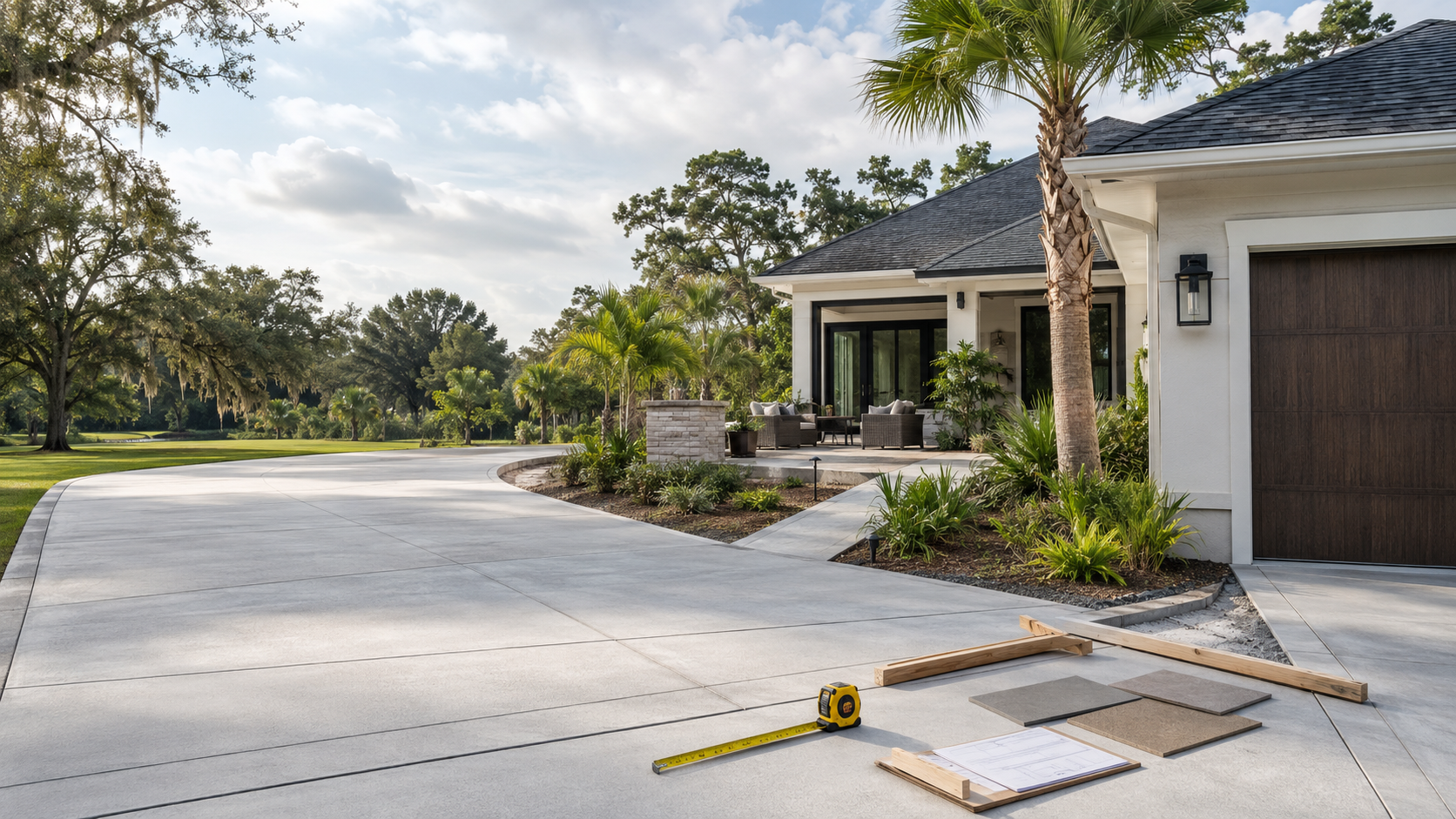
Review how walkway size, access, demolition, grading, drainage, base preparation, finish selection, and site conditions can affect project scope and budget.
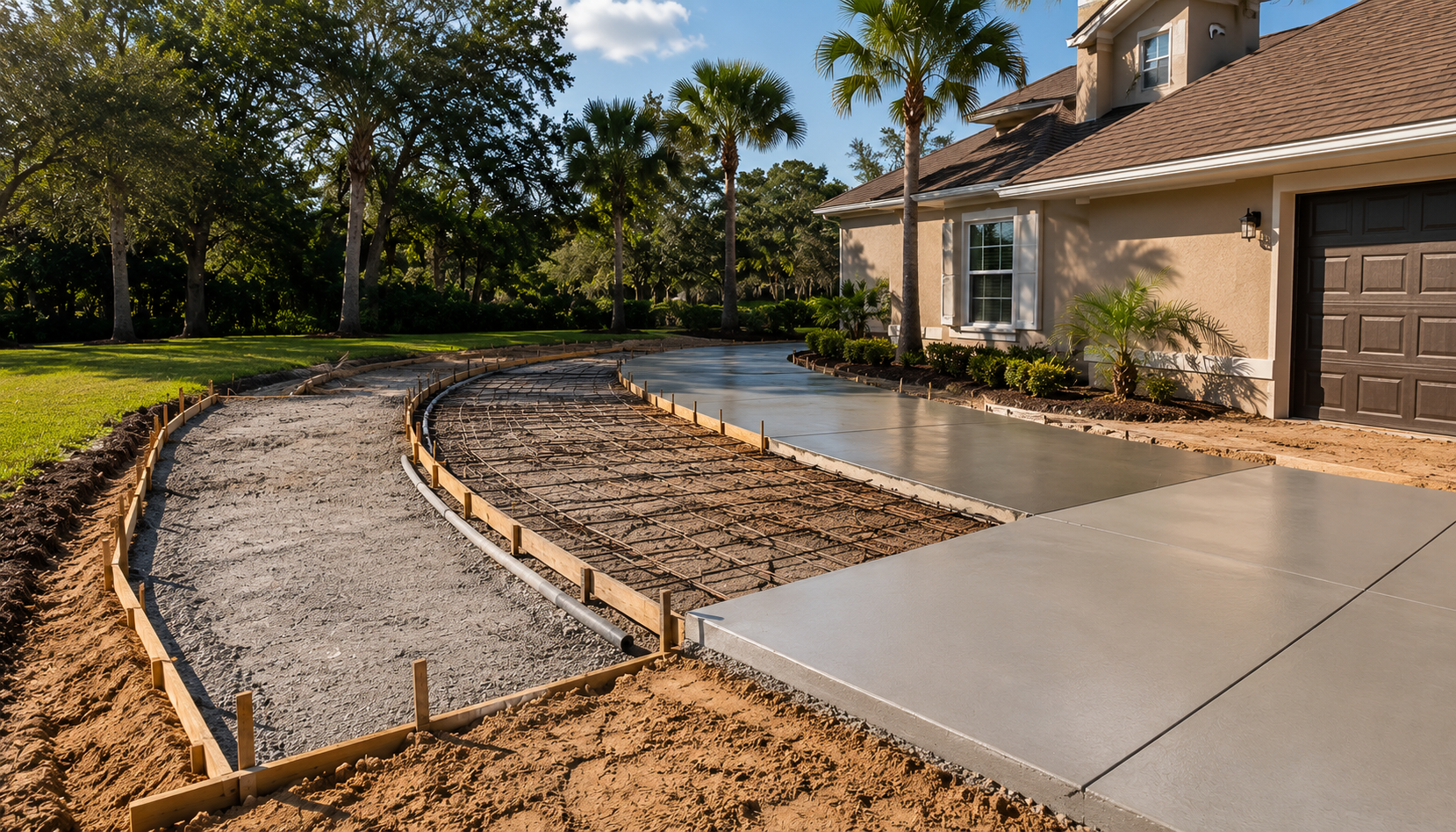
See how exterior concrete projects move through site review, preparation, forming, placement, finishing, jointing, curing, and final use when you need more detail than the walkway-specific process overview above.
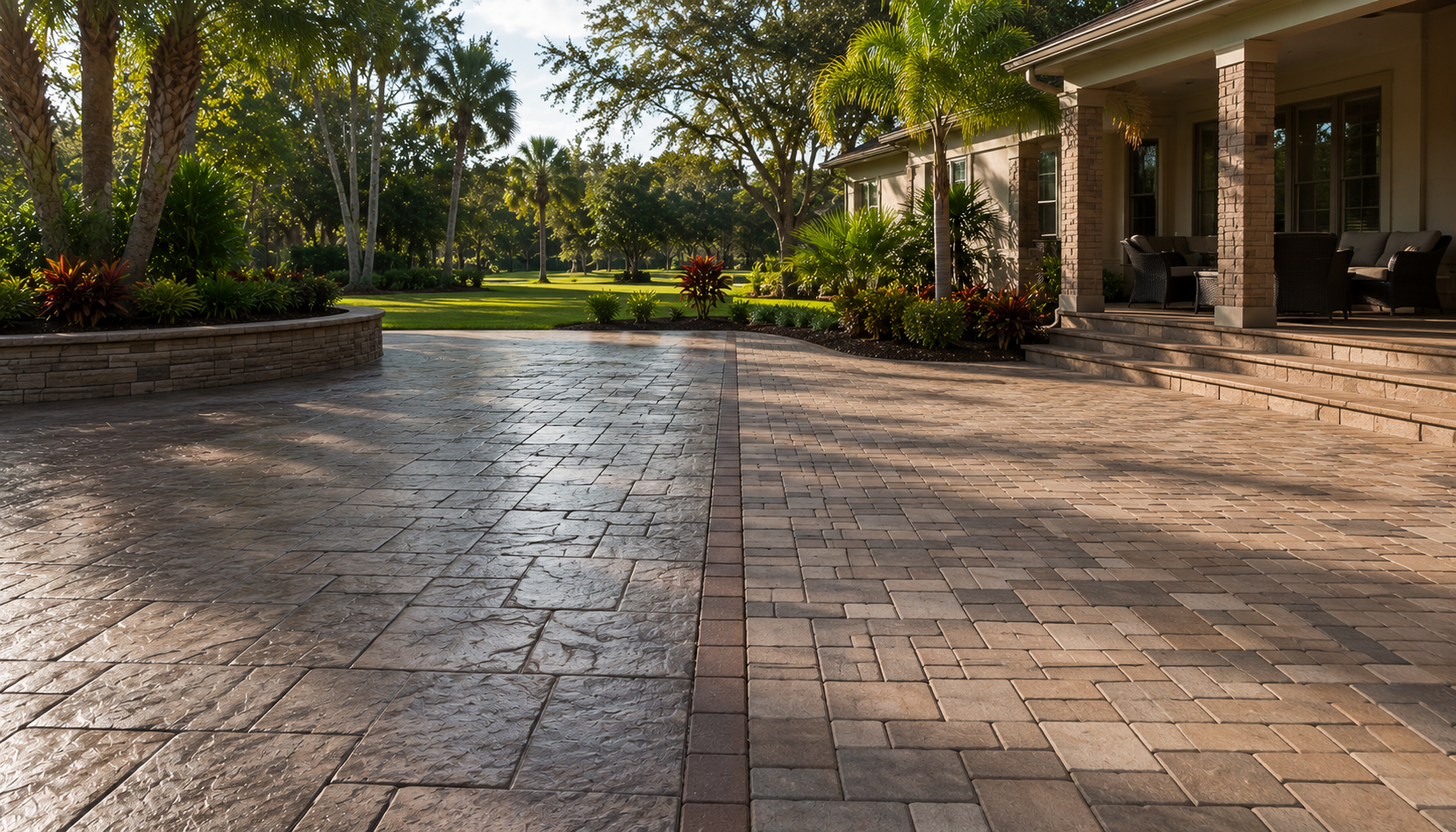
If the walkway will be a prominent decorative feature and the surface approach is still undecided, compare stamped concrete and pavers for installation, appearance, drainage, maintenance, localized repairability, and project-scope considerations.
Review cleaning, joint care, drainage awareness, surface monitoring, and compatible sealing where appropriate when long-term care is part of the walkway decision.
Request a Concrete Driveway Estimate in Jacksonville
If you are considering a concrete driveway in Jacksonville, requesting an estimate is the best way to explore options and understand likely costs. Providing details about your property, existing driveway, preferred size or finish, desired timeline, and any access or drainage considerations can help support a more accurate consultation.
Call now or submit a request to get connected with a local concrete contractor for your driveway project.
Concrete Walkway FAQs for Jacksonville Properties
What can a concrete walkway connect?
Concrete walkways can connect driveways with entrances, gates with side or back yards, patios with pool or garden areas, and homes with sheds, utility spaces, outdoor structures, or other frequently used parts of a property. The most practical route depends on property layout, grade, drainage, landscaping, access, and the surfaces at each end.
How should the width and layout of a concrete walkway be planned?
Walkway dimensions should reflect how the route will be used, available space, nearby structures and landscaping, connections at each end, and any property-specific requirements. A front-entry walk may need a different layout from a narrow side-yard path, decorative garden connection, or route that is subject to accessibility requirements.
What finishes are available for concrete walkways?
Options can include practical broom or textured finishes, color, borders, scoring, exposed aggregate, stamped patterns, and other decorative treatments. The appropriate finish should balance appearance with foot traffic, surface texture, drainage, exposure, surrounding hardscape, and maintenance expectations.
Can a new walkway connect directly with an existing driveway or patio?
Often, yes. Walkways frequently connect with driveways, patios, entries, pool areas, and other concrete surfaces. The connection should account for elevation, drainage, joint locations, existing-surface condition, pedestrian movement, and how both areas will be used.
Should a cracked or uneven concrete walkway be repaired or replaced?
It depends on the extent and cause of the problem. Localized deterioration may be suitable for repair where the surrounding concrete remains generally stable, while broader settlement, movement, drainage problems, extensive cracking, poor transitions, or an unsuitable existing route may make partial or full replacement more appropriate.
Do concrete walkway or sidewalk projects require permits in Jacksonville?
Requirements depend on the property, jurisdiction, and project scope. A private walkway located entirely within residential property can be different from work involving a public sidewalk, right-of-way, easement, accessible route, drainage feature, or managed community. The applicable City, County, State, or private-community requirements should be confirmed when any of those conditions apply. Jacksonville specifically requires permits for qualifying construction within City rights-of-way and easements.