Concrete Installation Process in Jacksonville, FL
From Site Preparation to Concrete Placement, Finishing & Curing
Understanding the concrete installation process can help Jacksonville property owners know what should be considered before a new driveway, patio, slab, walkway, stamped or decorative surface, or replacement-concrete project begins.
Jacksonville FL Concrete helps route concrete installation project requests to local concrete professionals who may review the intended use, property layout, existing surfaces, access, drainage, soil and base conditions, finish preferences, and any local requirements that may affect the project.
The exact sequence varies by project, but concrete installation generally involves planning the surface and its use, preparing the site and base, forming the area, placing and finishing the concrete, planning joints, curing and protecting the surface, and reviewing the completed work before regular use.
Request an Estimate
Have photos, drawings, or project notes? You can attach them through the form or send additional details to
Thank you for contacting us.
We will get back to you as soon as possible.
Please try again later.
What Is the Concrete Installation Process?
Concrete installation is the process of planning, preparing, forming, pouring, finishing, curing, and reviewing a new or replacement concrete surface.
The exact process can vary depending on the type of project. A concrete driveway has different load, access, and street-connection considerations than a backyard patio. A concrete slab for a shed, garage, workshop, or equipment pad may require different thickness, reinforcement, layout, or base preparation than a decorative walkway or stamped patio.
Common Concrete Installation Project Types
- Concrete driveways and driveway replacements
- Concrete patios and outdoor-living areas
- Concrete slabs for sheds, garages, additions, workshops, and equipment pads
- Concrete walkways, entry areas, and connected outdoor surfaces
- Stamped concrete patios, walkways, and driveways
- Decorative concrete finishes, borders, colors, and textures
- Replacement concrete for aging or unsuitable existing surfaces
These projects share a general installation framework, but vehicle loads, pedestrian use, supported structures, drainage, access, finish selection, and existing site conditions can change what each project requires.
Concrete Installation Process: From Planning to Final Review
While the exact requirements vary by project, most new or replacement concrete work follows the same broad sequence. The intended use and property conditions should guide the installation rather than applying one standard specification to every driveway, patio, slab, walkway, or decorative surface.
Project Goals, Surface Use & Layout Planning
Planning begins with what the concrete needs to accomplish. Vehicle access and parking, outdoor living, pedestrian circulation, storage, equipment support, or decorative use can each affect the size, shape, layout, transitions, finish, and relationship between the new concrete and the surrounding property.
Site Access, Drainage, Soil & Existing-Surface Review
The work area should be reviewed for measurements, equipment access, grade, drainage, soil or existing base conditions, utilities, landscaping, nearby structures, and any concrete that must remain or be removed. These conditions help identify preparation needs before the new surface is laid out.
Thickness, Reinforcement, Joints & Finish Planning
The installation approach should reflect the intended use and expected traffic or load. Project planning may include concrete thickness, reinforcement where appropriate, joint locations, surface texture, decorative details, transitions, drainage, and any project-specific requirements that need to be resolved before placement.
Demolition, Grading, Base Preparation & Forming
Replacement projects may begin with removal of existing concrete, while new installations may require clearing, excavation, grading, compaction, or base preparation. Forms then establish the layout, elevations, edges, slopes, and transitions that will guide the concrete placement.
Concrete Placement, Consolidation & Finishing
Concrete is placed within the prepared and formed area, consolidated where appropriate, leveled, and finished for the selected surface. A standard project may receive a broom or similar practical finish, while stamped or decorative work can involve color, texture, pattern, scoring, borders, or other detailing.
Jointing, Curing & Surface Protection
Joint planning helps manage normal concrete movement and should be coordinated with the layout and intended use. After finishing, curing and surface protection become important because temperature, moisture conditions, finish type, and premature use can affect the developing concrete and finished surface. For more detail about how shrinkage, restraint, joint placement, settlement, and support conditions can contribute to visible cracking, review Why Concrete Cracks in Jacksonville.
Final Surface Review, Use Timing & Care Guidance
The completed area should be reviewed for the intended use, surface finish, edges, transitions, drainage relationships, and connections to surrounding hardscape. Property owners should also receive project-specific guidance about curing, when the surface can be used, cleaning, and any finish-specific maintenance or protection.
Benefits of a Well-Planned Concrete Installation
Thoughtful installation planning can help align the finished concrete with the way the property will actually be used. Depending on the project, that may include:
A surface sized and laid out for vehicle, pedestrian, outdoor-living, storage, equipment, or utility use
Drainage, slope, elevations, and transitions coordinated with the surrounding property
Site and base preparation suited to the existing conditions
Thickness, reinforcement, and joint planning appropriate to the project
Standard, decorative, or stamped finishes selected around both appearance and everyday use
Better coordination with garages, doors, walkways, landscaping, utilities, existing hardscape, and nearby structures
A curing and care approach suited to the surface type, finish, exposure, and intended use
Good planning does not eliminate normal concrete movement, weather exposure, maintenance, or the possibility of future repair. It helps reduce avoidable installation problems and gives the finished surface a clearer relationship to the property and intended use.
Key Planning Factors Before Concrete Installation
Before installation begins, several decisions should be clear enough to guide the project scope and preparation requirements.
Site Conditions, Drainage & Access
Existing grade, drainage, soil or base conditions, access, nearby structures, utilities, landscaping, irrigation, and existing concrete can all affect the project. A compact driveway replacement may create very different preparation and access needs from a backyard patio, equipment slab, or open-area walkway.
Intended Use, Traffic & Load
The surface should be planned around what it needs to support. Vehicle traffic, regular pedestrian use, furniture, storage, equipment, structures, or other loads can influence layout, thickness, reinforcement where appropriate, joint planning, transitions, and the overall installation approach.
Budget, Scope & Finish Selection
Project scope can change substantially with square footage, demolition, preparation, drainage work, access, thickness, reinforcement, layout, and finish complexity. Budget decisions should therefore be made alongside the intended use and project scope rather than treated only as a choice between plain and decorative concrete.
Maintenance & Surface Care
Maintenance needs vary by surface, finish, exposure, drainage, and intended use. Standard, stamped, decorative, sealed, or other finished concrete may require different cleaning, joint care, surface monitoring, repair, or protective-treatment considerations over time.
Design, Layout & Property Connections
Concrete can be primarily functional, strongly design-focused, or a combination of both. Layout and finish decisions should account for how the area connects with garages, doors, walkways, landscaping, outdoor-living spaces, existing hardscape, and the architecture of the property.
How Jacksonville Conditions Affect Concrete Installation
Concrete installation in Jacksonville should be planned around the conditions of the individual property rather than treated as a one-size-fits-all process. Heat, rainfall, drainage, soil or base conditions, coastal exposure, access, and local approval requirements can each affect preparation, placement, finishing, curing, or the way the completed surface connects with the site.
Heat, Humidity & Concrete Curing
Warm and humid conditions can influence concrete scheduling, placement, finishing, curing, and surface protection. Weather conditions also matter when deciding when the new surface is ready for foot traffic, furniture, vehicles, equipment, or other regular use.
Heavy Rainfall, Slope & Drainage
Seasonal rainfall and stormwater movement make grade, slope, runoff direction, and surface transitions important for driveways, patios, walkways, and slabs. Planning should consider how water moves between the concrete, home, garage, landscape beds, adjoining hardscape, and other low areas of the property. For existing surfaces where runoff is already collecting in low areas or moving unexpectedly between connected hardscape, review Standing Water & Drainage Problems Around Concrete.
Sandy or Variable Soil, Grading & Base Preparation
Site conditions can vary across Jacksonville and nearby communities. Grading, compaction, base preparation, drainage, intended use, thickness, reinforcement where appropriate, and joint planning should be considered together rather than assuming the same preparation works for every property.
Coastal Exposure & Outdoor Surface Conditions
Beach-area and waterfront-adjacent properties may have different exposure conditions from more protected inland sites. Salt air, moisture, strong sun, rainfall, surrounding landscaping, and outdoor use can influence finish selection, surface care, and maintenance expectations.
Right-of-Way, HOA & Local Approval Considerations
Some projects may involve HOA or community review, municipal requirements, inspections, drainage considerations, driveway connections, easements, or work within a public right-of-way. These requirements depend on the actual property and project scope and should be confirmed rather than assumed for every concrete installation.
Reviewing these conditions before installation helps identify which preparation, drainage, access, finish, curing, and approval considerations are relevant to the specific property.
How Finish Options Affect Concrete Installation
Finish selection affects more than appearance. Standard, decorative, and stamped concrete can require different planning for layout, surface preparation, finishing methods, texture, color, detailing, joint locations, curing, surface protection, traction, and future care.
Standard Concrete
Standard concrete commonly uses a practical broom or similar textured finish for driveways, patios, walkways, slabs, and utility areas. Even without decorative treatments, the installation still needs to address intended use, site preparation, drainage, thickness, reinforcement where appropriate, joints, finishing, and curing.
Decorative concrete may use color, scoring, exposed aggregate, borders, texture, stains, or other visual treatments. These choices should be established before installation because they can affect preparation, layout, finishing steps, detailing, curing, protective treatments, and future maintenance.
Stamped concrete introduces pattern and texture during the finishing stage and may also involve color systems, borders, joint planning, surface texture, and protective sealing. Pattern and finish decisions should therefore be coordinated with layout, drainage, placement, finishing, curing, and intended use before the work reaches the decorative stage.
The appropriate finish depends on the project type, intended use, property setting, appearance goals, drainage, exposure, and maintenance expectations. The installation process remains important regardless of whether the final surface is practical, decorative, or highly customized.
Cost Considerations for Concrete Installation
Concrete installation costs vary depending on:
Project size and square footage
Existing-concrete removal or demolition
Site access and equipment requirements
Grading, drainage and base preparation
Intended use, thickness and reinforcement requirements
Layout, curves, edges and transitions
Standard, decorative or stamped finish selection
Colors, patterns, borders or custom detailing
Permit, HOA, right-of-way or other applicable project requirements
For a detailed pricing breakdown, see:
These factors can help define project scope, but detailed pricing belongs in the Cost of Concrete Services guide, where driveway, patio, slab, decorative, repair, maintenance, access, preparation, and other cost variables are covered in greater depth.
Is New Concrete Installation the Right Next Step?
New installation or full replacement may make sense when the property needs a new driveway, patio, walkway, slab, equipment pad, outdoor-living surface, or other concrete area that does not currently exist, or when an existing surface no longer fits the required use, layout, or condition.
Installation may also be considered when a project involves:
Changing driveway width, parking layout, or vehicle access
Expanding a patio or other outdoor-living area
Adding a slab for a shed, garage, workshop, equipment, or structure
Replacing concrete with widespread deterioration or unsuitable layout
Coordinating new concrete with walkways, landscaping, entrances, or other property improvements
Changing from a plain surface to a stamped or decorative finish as part of replacement
Where existing concrete remains suitable for restoration, Concrete Repair & Resurfacing may be worth reviewing before full removal and replacement. If the larger question is whether the surface should be preserved or rebuilt, Concrete Repair vs. Replacement compares localized repair, resurfacing, partial replacement, and full replacement based on condition, movement, drainage, intended use, and project goals.
Continue Planning Your Concrete Project
Concrete installation services are available throughout
Jacksonville and nearby Northeast Florida communities, including
Concrete Services in Atlantic Beach,
Concrete Services in Fleming Island,
Concrete Services in Green Cove Springs,
Concrete Services in Jacksonville Beach,
Concrete Services in Middleburg,
Concrete Services in Neptune Beach,
Concrete Services in Nocatee,
Concrete Services in Oakleaf Plantation,
Concrete Services in Orange Park,
Concrete Services in Ponte Vedra Beach, Concrete Services in St. Augustine, and
Concrete Services in St. Johns.
After reviewing the overall installation sequence, use these pages to see how the process applies to a specific project, understand cost drivers, or compare another surface approach.
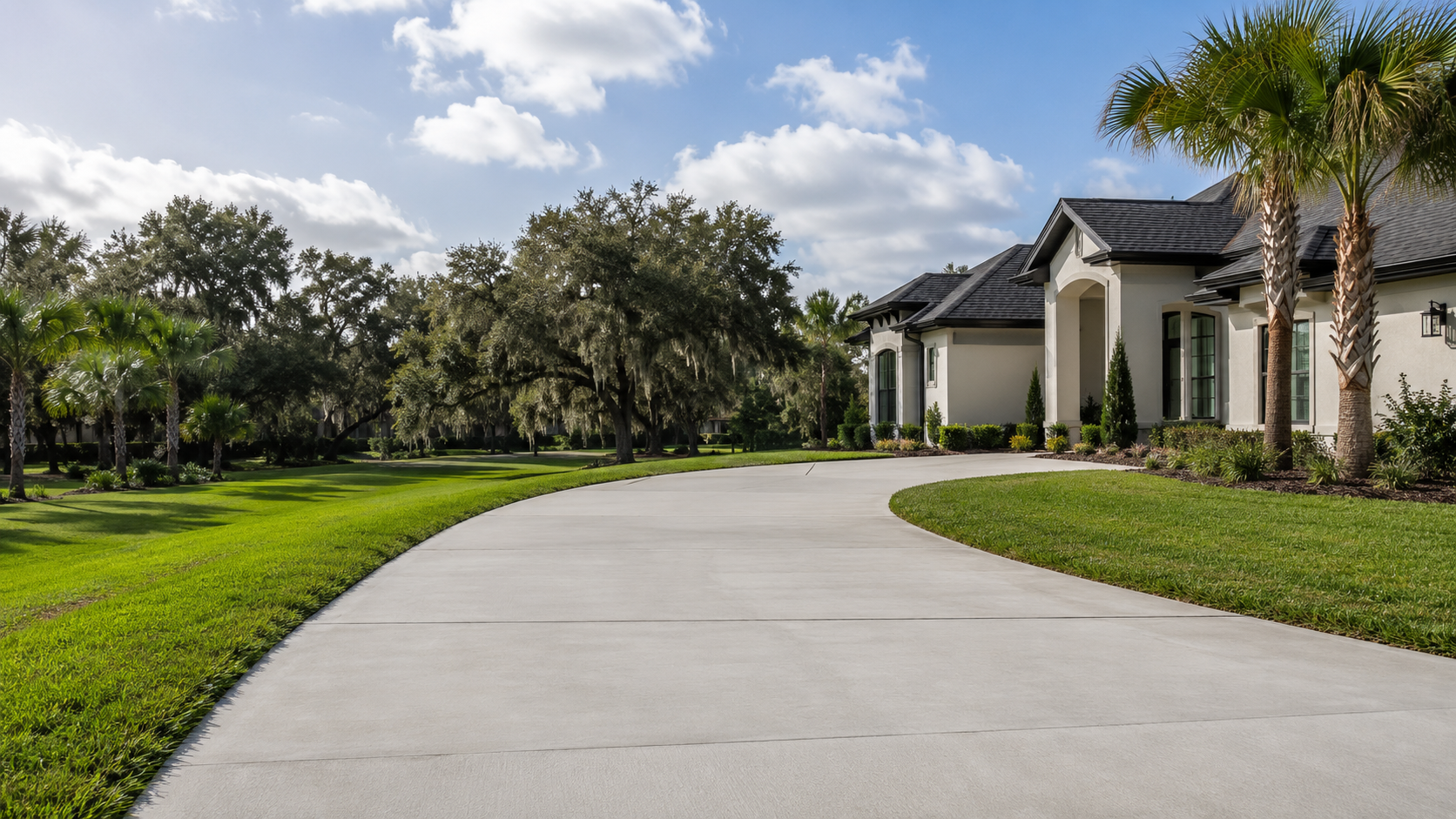
See how the general installation process changes when the surface must support daily vehicle use, parking, garage and street transitions, drainage, replacement work, and driveway-specific layout requirements.
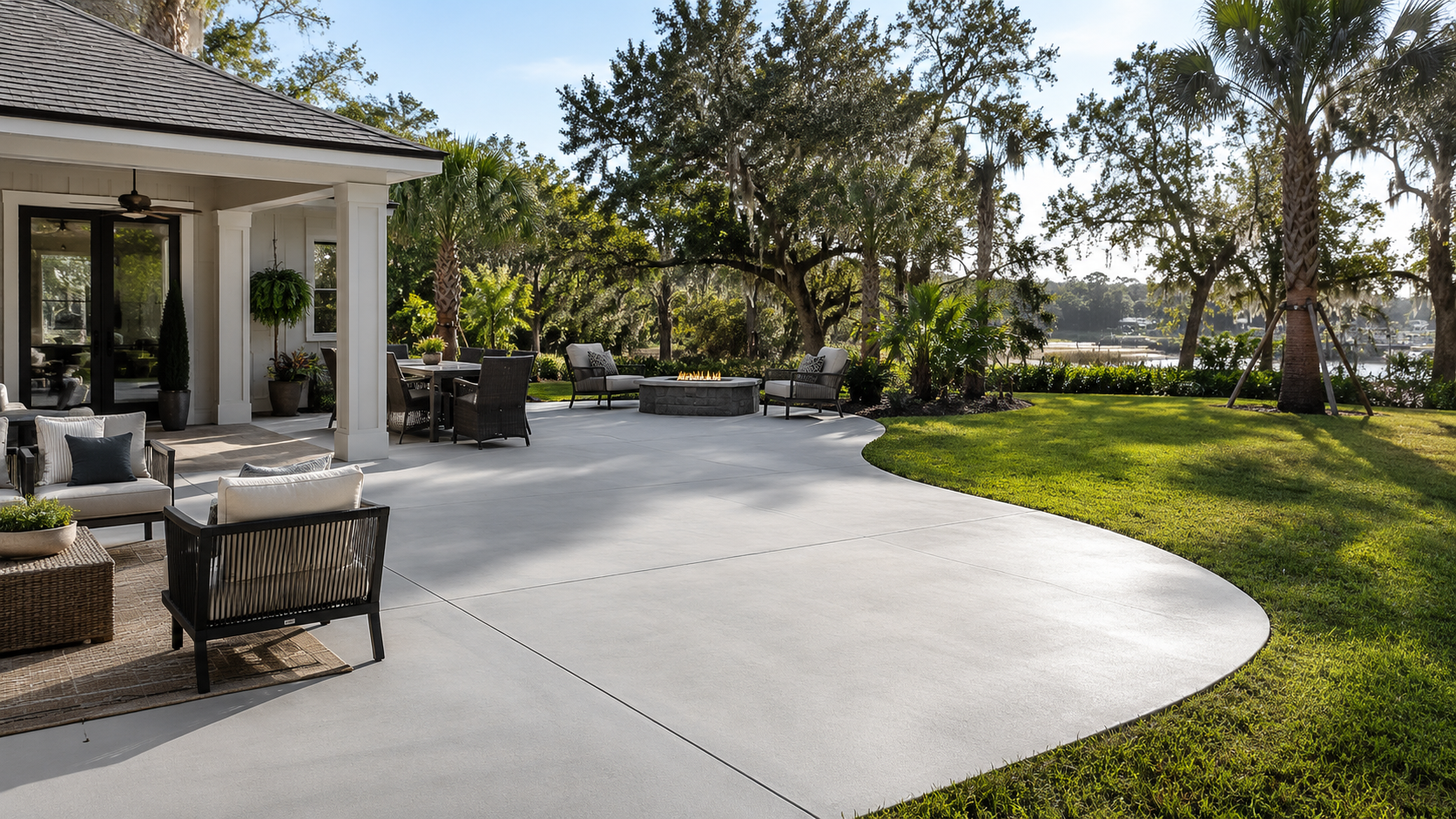
Apply the installation sequence to an outdoor-living project where doors, thresholds, furniture use, landscaping, drainage, connected walkways, and finish selection can shape the patio layout.
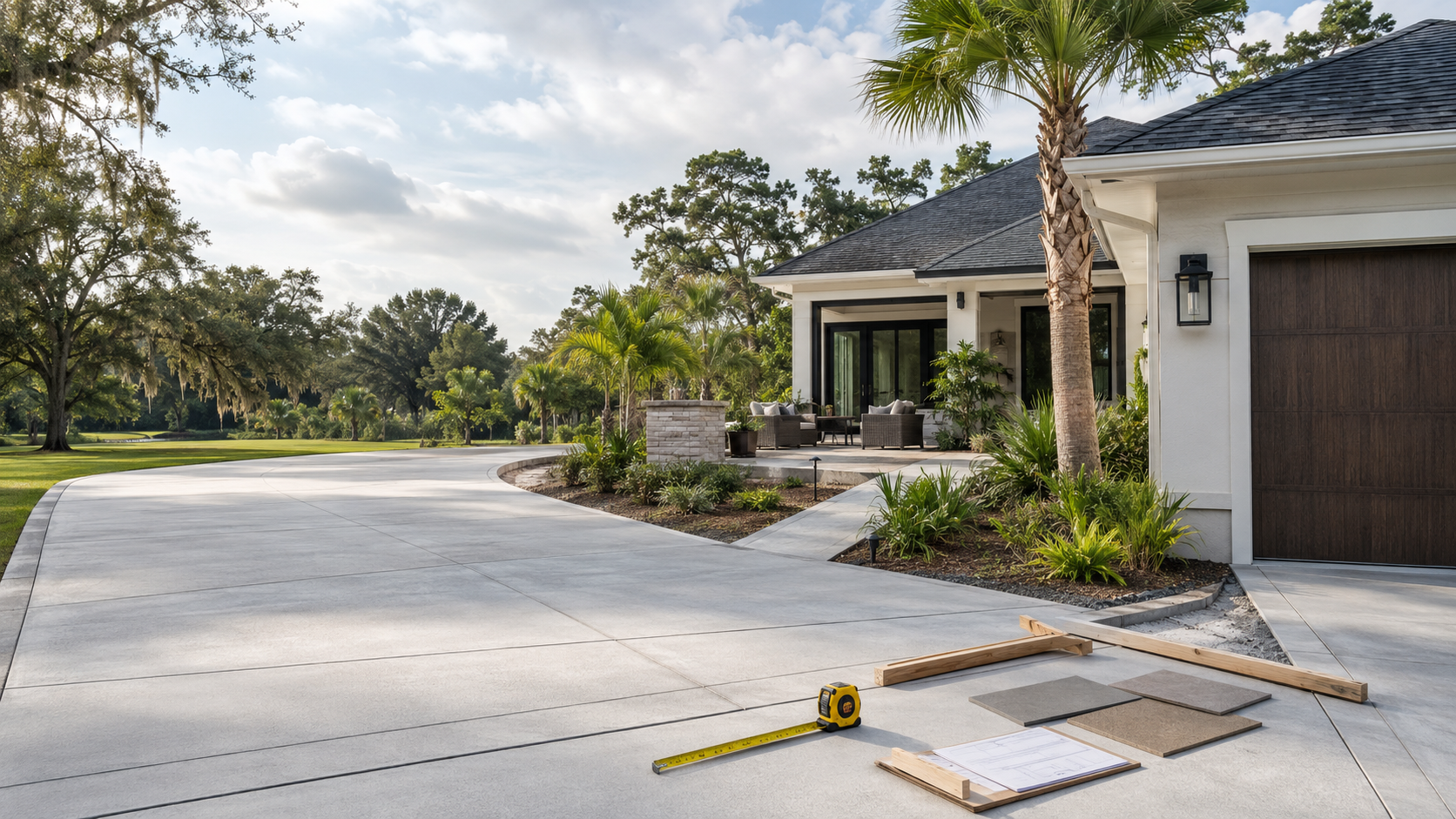
Once the installation steps are clear, use the cost guide to understand how project size, demolition, access, preparation, drainage, thickness, reinforcement, and finish choices can affect the overall scope.
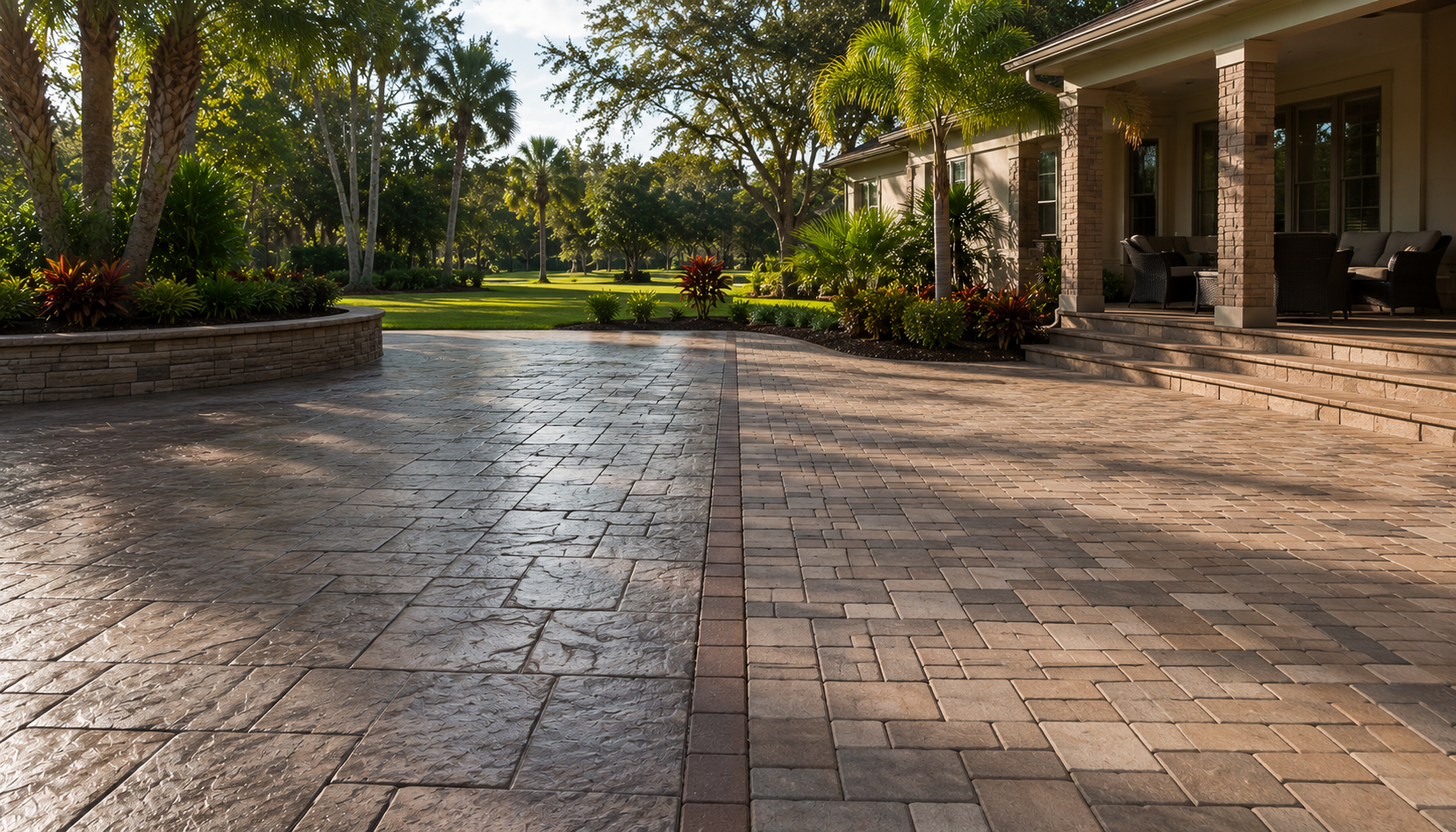
If the surface material or system is still undecided, compare stamped concrete and pavers for installation approach, appearance, maintenance, repairability, drainage, and project-scope considerations before choosing a direction for a Jacksonville property.
Request a Concrete Installation Estimate in Jacksonville
If you are considering a new driveway, patio, slab, walkway, stamped or decorative surface, or replacement-concrete project in Jacksonville, include enough property information to help clarify the intended use, approximate size, existing conditions, access, drainage, preparation needs, and finish preferences.
Jacksonville FL Concrete helps route concrete project requests to local concrete professionals who may contact you about availability, site conditions, installation options, project scope, pricing factors, and next steps.
If available, attach photos, drawings, measurements, or notes showing the work area, existing surface, access conditions, drainage concerns, or desired layout.
Concrete Installation Process FAQs for Jacksonville Properties
What is included in a typical concrete installation process?
Most concrete projects include consultation, site evaluation, layout planning, preparation, forming, concrete placement, finishing, curing, and final review. The exact steps depend on whether the project is a driveway, patio, slab, stamped surface, decorative finish, replacement, repair, or resurfacing project.
How long does concrete installation take?
Project timelines vary based on size, access, preparation needs, weather, finish selection, and curing requirements. A small patio or slab may move faster than a larger driveway, decorative stamped surface, or project requiring demolition and drainage planning. Scheduling can also be affected by Jacksonville rain and seasonal weather patterns.
How long should new concrete cure before it is used?
The appropriate timing depends on the concrete mixture, project type, weather conditions, finish, curing approach, and the type of use the surface will receive. Foot traffic, furniture, vehicles, or equipment place different demands on new concrete, so the contractor completing the project should provide specific guidance before the surface is put into regular use.
Why is site preparation important before pouring concrete?
Site preparation helps create the base conditions needed for a more stable and durable surface. Grading, compaction, drainage planning, forming, and removal of unsuitable material can all influence long-term performance. Proper preparation is especially important for driveways, patios, slabs, and walkways exposed to regular use and heavy rainfall.
Can decorative or stamped concrete follow the same installation process?
Stamped and decorative concrete follow many of the same basic steps, but they usually require additional planning, timing, finish work, color selection, pattern placement, and surface protection. These projects may also involve sealing and more detailed maintenance recommendations after installation.
Do Jacksonville concrete projects require permits?
Some projects may require permits, inspections, right-of-way review, HOA approval, or additional documentation depending on the property location and project scope. This can be especially relevant for driveway aprons, sidewalks, easements, drainage features, public right-of-way areas, flood-prone properties, commercial sites, and managed communities.
How do I know whether to install new concrete, resurface, or repair?
The right choice depends on the condition of the existing concrete, the project goals, drainage, surface use, budget, and long-term plans for the property. Repair or resurfacing may work for certain existing surfaces, while full replacement may be better when the surface has widespread deterioration, poor base conditions, or layout issues.